
sustainable-slow-fashion
The Fiction of Circularity: Deconstructing Textile Recycling Infrastructures Between Europe and West Africa
The contemporary discourse surrounding sustainable fashion frequently relies on the comforting abstraction of the closed loop. Yet, the physical reality of textile recycling is less a perfect circle and more a jagged, linear descent.
14 September 2026 · 8 min
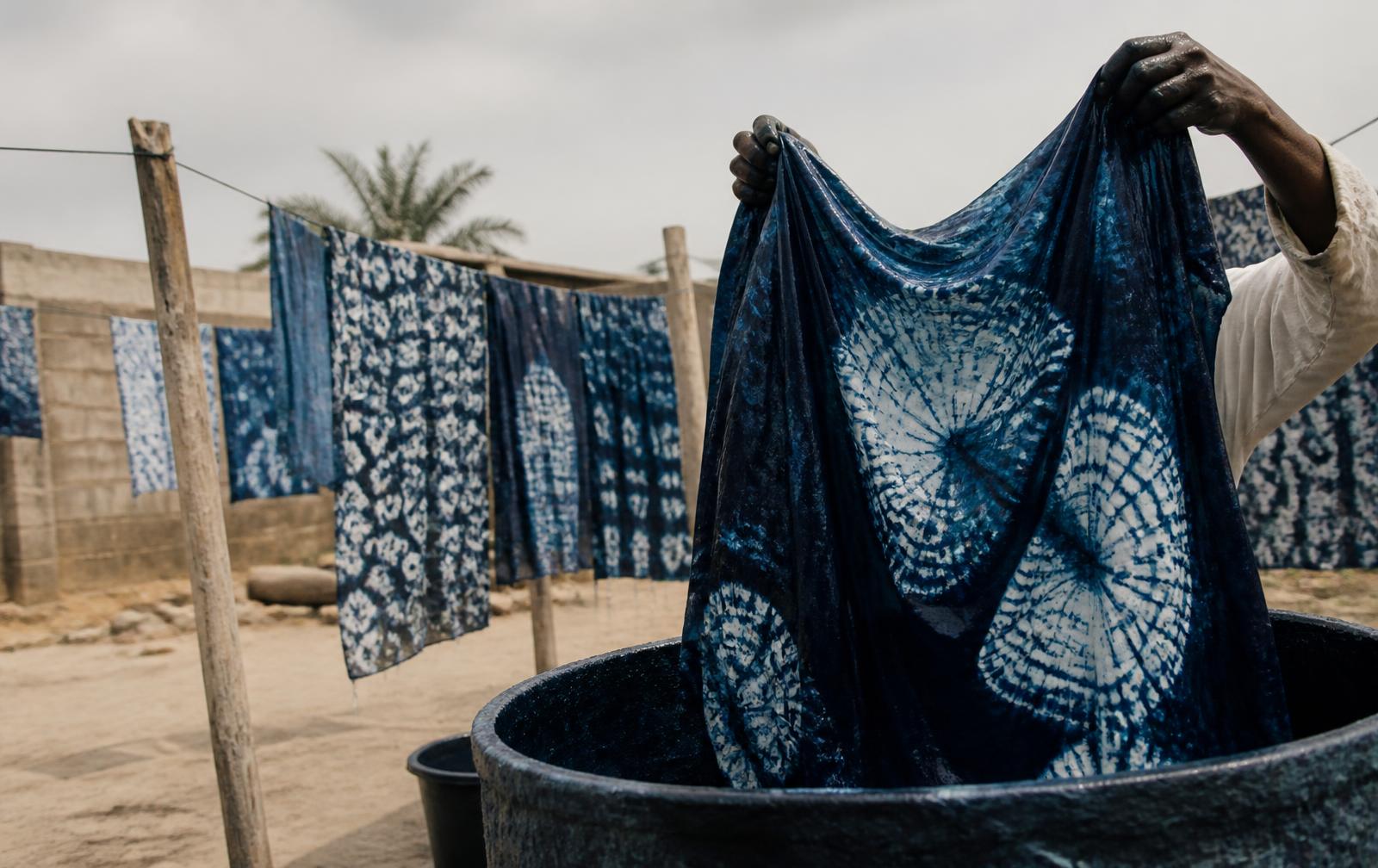
The contemporary discourse surrounding sustainable fashion frequently relies on the comforting abstraction of the closed loop. We are presented with a vision of an industry seamlessly regenerating itself, where the end of a garment’s life is merely the prologue to its rebirth. In this sanitized narrative, material consumption is absolved of its physical consequences. Yet, a garment is not a theoretical construct. It possesses mass, friction, and chemical permanence. It is born from soil, water, and human labor, and when it is discarded, it does not evaporate into the ether of a theoretical circular economy. The physical reality of this loop is less a perfect circle and more a jagged, linear descent—a complex logistical chain that frequently culminates on the shores of West Africa.
For too long, the industry has engaged in a collective suspension of disbelief, accepting the premise that a drop-off bin in a European capital constitutes a definitive solution to overproduction. This psychological absolution allows the acceleration of output to continue unabated, masked by the halo of circular fashion. To build an ecosystem grounded in genuine accountability, we must strip away the marketing vernacular and examine the stark geography of our global supply chains.
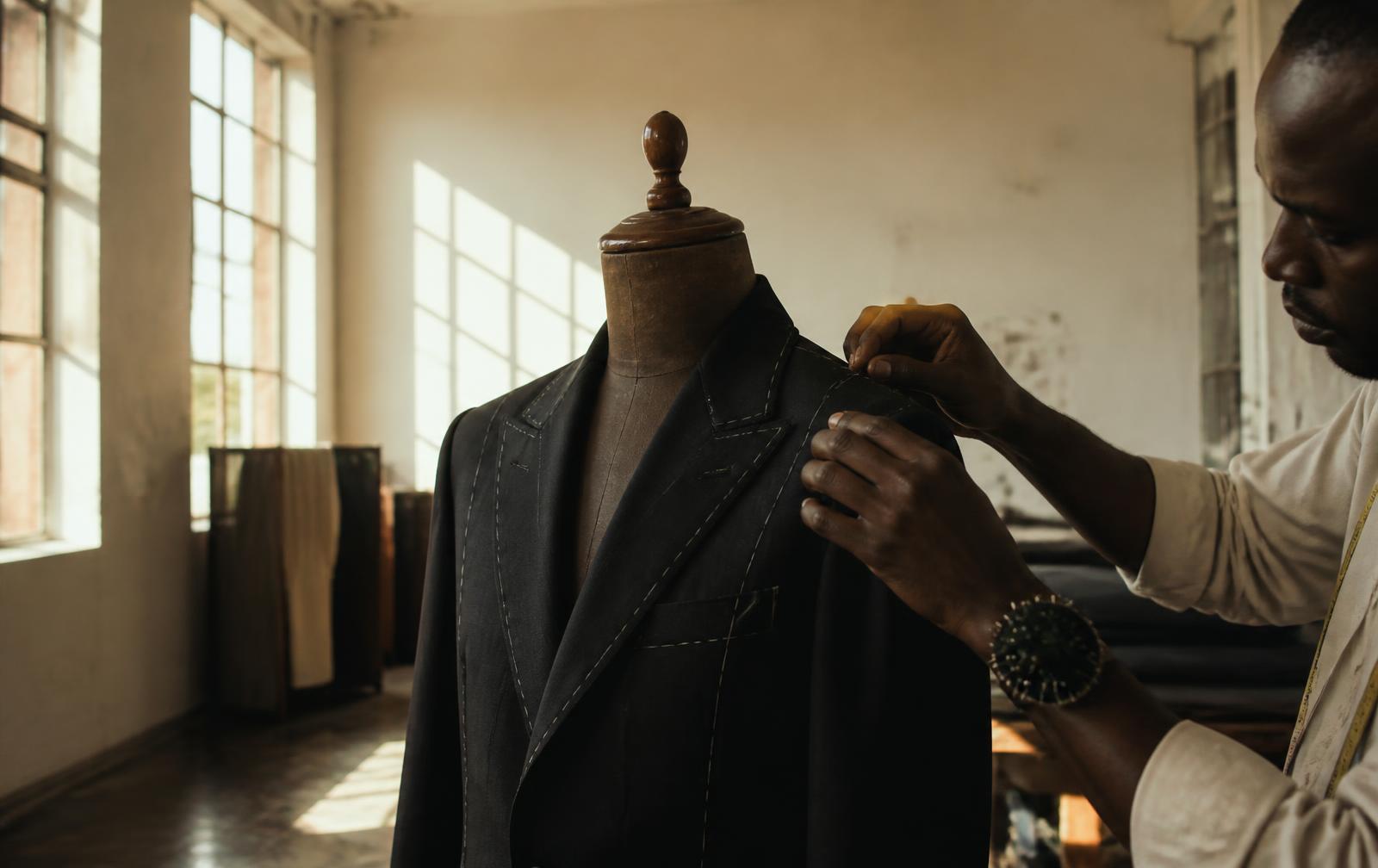
The Semantics of Sustainable Fashion
The vocabulary of environmental consciousness has been thoroughly co-opted. We speak of circularity and ethical production as though they are inevitable endpoints of consumer goodwill, accessible via a simple shift in brand messaging. However, true circular fashion requires an industrial infrastructure that, at present, remains fundamentally inadequate. When a consumer in Paris or Milan deposits a synthetic-blend sweater into a textile recycling receptacle, the implicit promise is one of localized reincarnation. The garment, we are told, will be broken down, spun into new yarn, and reborn upon the racks of a conscious boutique.
The reality is far more industrial and far less poetic. Textile recycling at scale remains technologically hindered, particularly regarding the complex blended fibers that define modern manufacturing. Separating elastane from cotton, or polyester from wool, is an energy-intensive process that frequently degrades the quality of the resulting fiber. The resulting bottleneck in European recycling facilities forces a global redistribution of surplus, framing the export of discarded garments as a form of recycling. It is a semantic sleight of hand that reclassifies waste management as a humanitarian endeavor, neatly removing the physical burden of overproduction from the Global North.
The Geography of Discarded Textiles
To understand the limitations of current sustainability models, one must trace the physical movement of the bales. The journey of a discarded garment rarely concludes in a European sorting facility; rather, it crosses oceans to enter the highly organized secondary markets of West African metropolises. Establishments such as the United Nations Environment Programme have extensively documented the environmental and infrastructural strain caused by the unchecked global trade of used textiles, noting the severe ecological impact on receiving nations.
It is crucial to recognize that West African markets—such as the sprawling Kantamanto market in Accra—are not merely dumping grounds. They are, in fact, vast, highly sophisticated ecosystems of commerce and artisanship. They operate as immense upcycling laboratories where tailors, dyers, and merchants work tirelessly to extend the lifecycle of imported garments. These markets are testaments to genuine resourcefulness and a profound cultural respect for material value. However, the sheer volume and rapidly declining quality of ultra-fast fashion imports have overwhelmed these traditional systems. The bales of clothing arriving at ports in Accra, Dakar, or Lagos increasingly contain garments constructed from fragile synthetics that are functionally unwearable, effectively transferring the ecological crisis of the Global North onto the shoulders of West African municipalities.
Traceability as a Prerequisite for Truth
We cannot recycle our way out of a production crisis. The foundation of slow fashion is not merely a reduction in output, but an absolute, uncompromising commitment to traceability. To fully comprehend a garment's end, an industry must rigorously document its beginning. Traceability demands that a brand know the exact origin of the raw fiber, the ecological footprint of the dye house, and the conditions of the hands that constructed the seams. This level of transparency strips away the marketing veneer, forcing producers to account for the physical reality of their products long before they reach a retail floor.
It is within this rigorous documentation that the concept of responsible sourcing shifts from a corporate talking point to a measurable methodology. As we outline in our ongoing analysis of supply chain transparency, establishing a verifiable chain of custody is the only mechanism by which an industry can police its own claims. By demanding radical transparency, the sector can begin to price in the true environmental and social cost of a garment, rendering the disposable model economically untenable. When a brand knows exactly what goes into a textile, they are inherently forced to consider how that textile will behave when it is discarded.
Designing for True Longevity
An honest infrastructure for circularity begins at the design table. A garment must be engineered for longevity, constructed from monomaterials that can realistically be processed by existing recycling technologies when they eventually reach the end of a long, useful life. True ethical production demands a shift in perception, teaching the consumer to value the patina of wear over the fleeting novelty of the new. It necessitates a legislative and industrial framework that holds producers financially and structurally responsible for the entire lifecycle of their creations.
Furthermore, this shift requires redefining the axis of global production. The future of the Europe-Africa textile relationship must be built on mutual exchange and collaborative design, rather than the unidirectional flow of discarded surplus. The African continent possesses a deep, centuries-old heritage of textile artisanship that embodies the very essence of slow production. From hand-loomed organic cottons to natural, plant-based dyeing techniques, these traditions offer a blueprint for genuine sustainability. The transition toward a responsible luxury ecosystem requires European brands to engage with these creators not as recipients of waste, but as vital peers and leaders in design. For those seeking to integrate these practices, understanding the depth of this artisanship is essential, a philosophy we actively cultivate across our curated networks on the continent.
True circularity is not a marketing campaign; it is a rigorous, demanding discipline that requires us to face the physical consequences of our aesthetic choices.
The fiction of circularity has served as a convenient anesthetic, allowing the industry to maintain its current trajectory while projecting an image of reform. To build a lasting, responsible luxury ecosystem, we must discard this fiction. We must confront the uncomfortable realities of global supply chains and embrace the uncompromising principles of slow fashion. It is only through rigorous traceability, genuine ethical production, and a profound respect for the physical materiality of the goods we consume that we can begin to forge an industry worthy of its own promises.
Continue reading