sustainable-slow-fashion
Patience as Capital: The Realities of Made-to-Order Production Models
An examination of how contemporary ateliers in Paris and Dakar are dismantling the industrial frenzy of apparel manufacturing, repositioning time and deliberate craftsmanship as the ultimate currency of modern luxury.
15 September 2026 · 7 min
In the prevailing lexicon of contemporary apparel, time is consistently positioned as an adversary. The industrialization of the wardrobe has demanded an ever-accelerating cadence, compressing the space between conceptualization and consumption until the garment itself becomes an ephemeral artifact. Yet, a quiet but profound recalibration is occurring within the specialized ateliers of two distinct but complementary capitals of craft: Paris and Dakar. Here, a rejection of the immediate has given rise to a different economic paradigm, one where patience is no longer a romanticized notion but a tangible form of capital. The shift toward made-to-order production models represents a structural departure from the anticipatory manufacturing that has long defined the broader industry. It requires an alignment of expectation between creator and patron, enforcing a rhythm that privileges exactitude over ubiquity. This is the foundation of genuine slow fashion, an operational philosophy that values the integrity of the process as highly as the final silhouette.
The very premise of manufacturing a garment only after it has been requested dismantles the orthodoxies of scale. To wait for a piece of clothing is to acknowledge the human labor and material resources required for its realization. In the historic tailoring houses of the French capital, and the vibrant, highly skilled workshops of Senegal’s coastal metropolis, this model is not an innovation but a restoration of historical precedent. Both cities harbor deep traditions of bespoke creation, yet they are applying these heritage methodologies to contemporary ready-to-wear silhouettes. By demanding a pause between desire and acquisition, these brands cultivate a deeper psychological engagement with the objects we wear, positing that a garment worth wearing is inherently a garment worth waiting for.
The Architecture of Deliberation
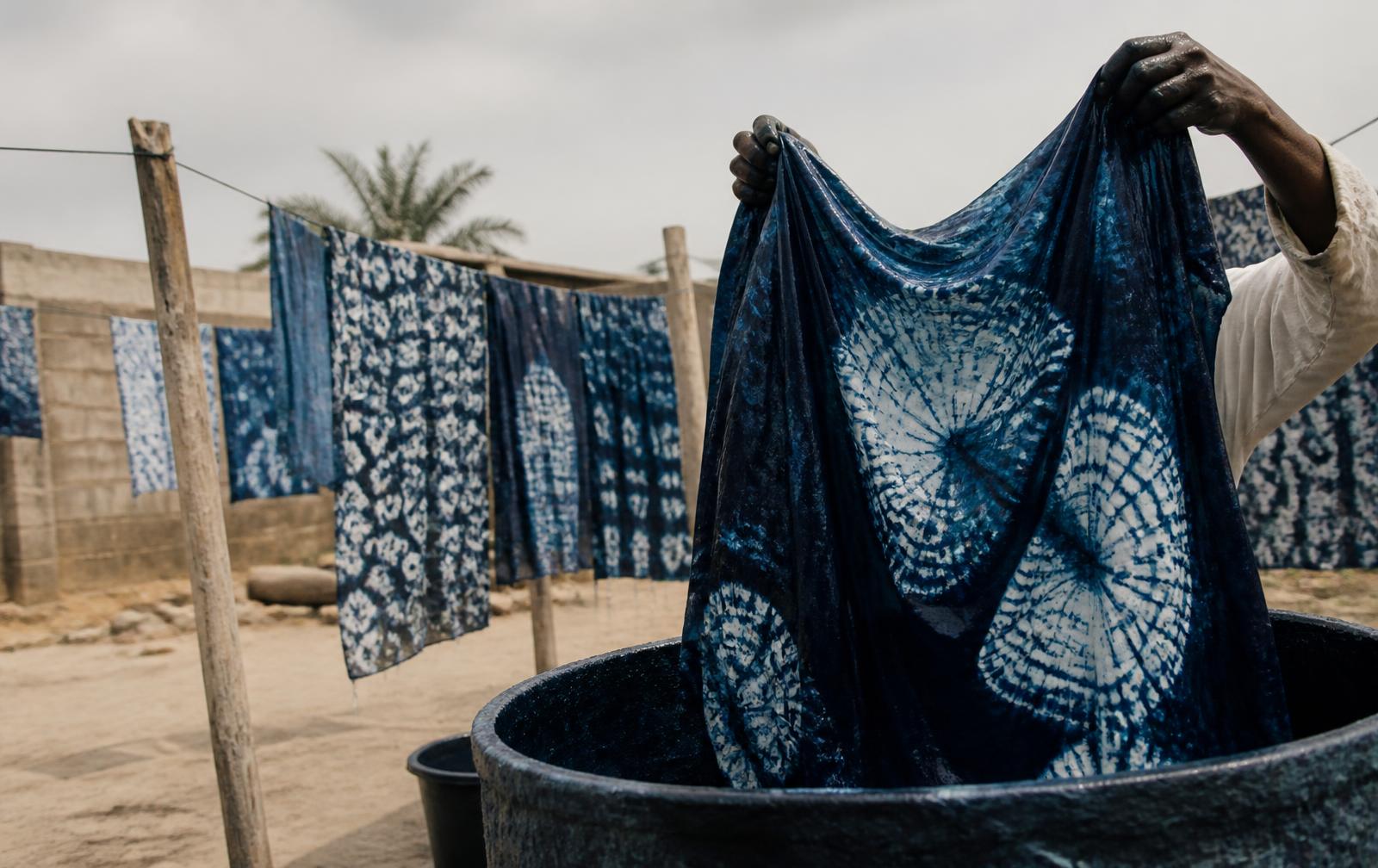
Operating a made-to-order model requires a fundamental restructuring of the atelier’s daily rhythms. It is an exercise in rigorous ethical production, shifting the focus from moving units to executing individual commissions. In Dakar, a city whose textile heritage is woven with an inherent understanding of custom craftsmanship, contemporary designers are formalizing these ancestral practices into scalable, professionalized structures. The Senegalese atelier becomes a site of deliberate assembly, where weavers, dyers, and tailors engage in a sequential choreography that cannot be rushed. The same principles govern the independent studios of Paris, where the proximity to historic luxury houses has fostered a deep respect for the slow, methodical construction of a garment. In both geographies, the artisans operate free from the tyranny of seasonal delivery windows, allowing for a meticulousness that mass manufacturing precludes.
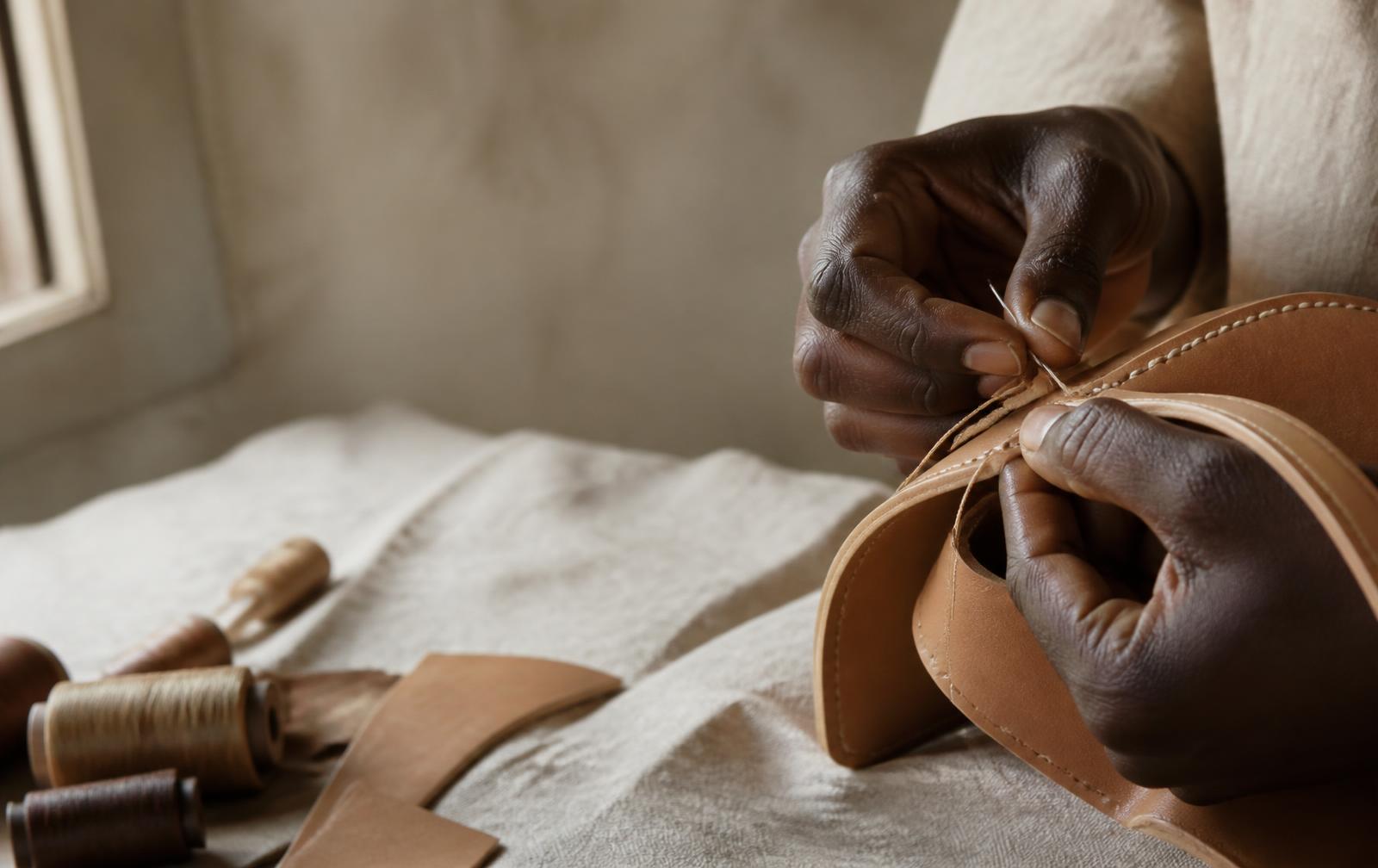
This deliberate pacing directly influences the caliber of the final product. When an artisan is relieved of the pressure to produce an arbitrary quota, the attention to finishing, to the precise alignment of a seam, and to the careful handling of delicate textiles is markedly elevated. Slow fashion, in this strict operational sense, is not merely a marketing posture but a necessary condition for excellence. It requires a resilient supply chain, one that can accommodate small, irregular orders of raw materials without compromising on quality or origin. This necessitates deep, enduring relationships between designers and their suppliers, cultivating a network of mutual reliance rather than transactional extraction. For those navigating this terrain, the operational realities are demanding. Securing the necessary components for singular garments requires a logistical agility that stands in stark contrast to the bulk purchasing power of conventional brands.
Rewriting the Economics of Inventory
The financial architecture of the traditional fashion industry is built upon a precarious reliance on inventory. Brands are compelled to forecast demand months in advance, committing vast sums of capital to the production of garments that may never find a buyer. This speculative model inherently results in overproduction, a systemic flaw that drives the staggering waste currently plaguing the global ecosystem. By adopting a made-to-order approach, ateliers in Paris and Dakar are effectively rewriting the economics of their businesses. They eliminate the burden of unsold stock, ensuring that every piece produced has an established destination. This zero-inventory philosophy aligns directly with the core tenets of circular fashion, addressing the issue of waste at its absolute source rather than relying on downstream recycling or disposal.
Research and frameworks published by the Ellen MacArthur Foundation have repeatedly underscored the necessity of designing out waste within the textile industry, emphasizing that the most effective intervention is to cease producing garments that are not required. The made-to-order model embodies this principle entirely. Capital that would otherwise be trapped in dormant stockrooms is instead redirected toward the acquisition of superior materials, the fair compensation of skilled artisans, and the refinement of the studio environment. This responsible sourcing becomes economically viable precisely because the waste margin has been eradicated. A designer in Dakar can afford to invest in hand-loomed, organic cotton from regional cooperatives, just as a Parisian creator can source deadstock silks from esteemed heritage mills, knowing that these premium materials will only be utilized for confirmed commissions. The financial risk is dramatically reduced, providing independent brands with a stability that allows them to prioritize artistic integrity and sustainable fashion practices over sheer volume.
Traceability and the Architecture of Trust
The absence of a convoluted, anticipatory supply chain facilitates a level of transparency that is rarely achievable in conventional manufacturing. When a garment is produced on demand, the journey from raw fiber to finished piece is significantly condensed and intimately managed. This proximity enables true traceability, an essential component of modern luxury that consumers are increasingly demanding. A patron commissioning a jacket from a Dakar atelier can be informed of the exact provenance of the textiles and the specific artisans involved in its construction. This narrative is not a fabricated marketing addition but the factual documentation of the garment’s genesis. It establishes an architecture of trust between the creator and the wearer, elevating the act of purchasing into a meaningful exchange of value. Readers seeking to understand how contemporary brands integrate these rigorous standards can explore the comprehensive analyses available within our insights section.
Maintaining this level of honest communication requires an unwavering commitment to operational integrity. The made-to-order model naturally guards against the dilution of claims; there is no sprawling network of subcontractors to obscure the reality of the production environment. Every stitch is accountable. This rigorous approach to documentation and transparency is particularly vital for emerging African luxury brands, who are actively dismantling historical biases by demonstrating unparalleled standards of ethical production and craftsmanship. By controlling their own narrative through verifiable practices, these ateliers are commanding a position of authority within the global market. They are proving that true luxury is incompatible with obscurity, and that the modern consumer values the ethical pedigree of a garment as highly as its aesthetic appeal.
A New Vocabulary for European and African Luxury
Ultimately, the made-to-order models flourishing in Paris and Dakar offer a compelling blueprint for the future of the apparel industry. They demonstrate that the desire for beautiful clothing need not be fundamentally at odds with ecological and social responsibility. By institutionalizing patience, these ateliers are fostering a deeper appreciation for the myriad skills required to construct a garment. They are returning the focus to the intrinsic value of the object, stripping away the artificial urgency that has long manipulated consumer behavior. This methodology challenges the very definition of availability, suggesting that exclusivity should be measured not by an arbitrary price point, but by the dedication of time and localized expertise required for creation.
As this paradigm continues to gain traction, it necessitates a recalibration of consumer expectations. The transition from immediate gratification to deliberate anticipation requires education and an appreciation for the mechanics of craft. For those curating assortments or seeking to align their own purchasing habits with these elevated standards, engaging directly with the creators is paramount. We invite you to discover the ateliers and designers pioneering these meticulous production methods within the JAANTE showroom, where the tangible results of patience and profound skill are presented without compromise. The future of luxury lies not in the speed of its delivery, but in the enduring resonance of its creation.
Continue reading