
international-brand-development
Architecture of an Ascent: Positioning an African Luxury Maison Within European Department Stores
Entering the European luxury retail landscape requires a calibration of heritage and commercial precision. We examine the structural prerequisites for African maisons seeking placement in premier department stores.
22 September 2026 · 8 min

The ascent of a luxury maison into the hallowed corridors of Europe’s premier department stores is a maneuver of exacting precision. It is an inflection point where creative vision meets the unrelenting demands of global commerce. For African luxury brands, this transition represents not merely an expansion of geography, but a profound recalibration of brand architecture. The European department store—whether nestled in the historical enclaves of the Marais, commanding a corner in Knightsbridge, or anchoring the luxury avenues of Milan—is a highly curated, deeply insular ecosystem. To claim and retain space within it requires a fashion brand strategy that moves deliberately beyond the superficial markers of geographic origin, anchoring itself instead in the undeniable permanence of craftsmanship, material integrity, and operational excellence.
The European department store originated in the nineteenth century as a theater of aspiration, a palace of consumption designed to elevate the act of purchasing into a cultural experience. Today, despite the digital revolution, it remains a highly orchestrated physical environment where margins, floor weight, and spatial narratives dictate the survival of a label. When an African designer approaches this threshold, the proposition must be flawless. Buyers at this tier are not seeking an anthropological narrative; they are seeking exceptional design that happens to be born of an African context. The positioning must elevate the continent’s artisanal heritage to its rightful place within the global luxury lexicon, stripping away decades of persistent, unhelpful folklore. Africa is a dynamic industrial and creative force, and the garments, leather goods, or fine jewelry presented must reflect this contemporary reality with absolute sovereignty.
The Spatial Narrative of European Luxury Retail
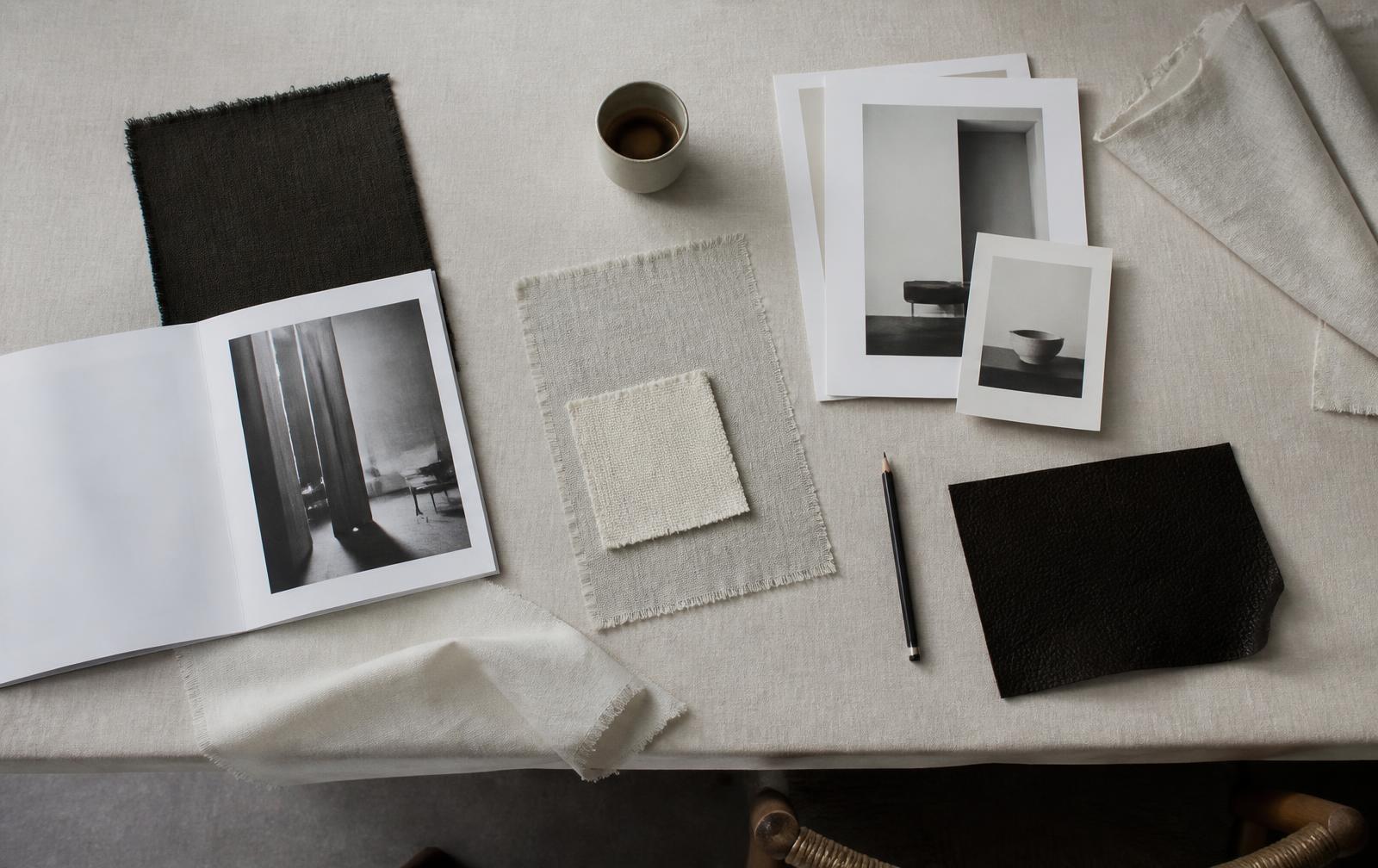
Entering the ecosystem of a heritage department store requires an intimate understanding of spatial hierarchy. Every square meter is fiercely contested and meticulously calculated for financial yield. For an emerging African maison, international market entry is less about simply arriving and more about integrating seamlessly into an existing dialogue of luxury. The brand must hold its own adjacent to centuries-old European houses without adopting a posture of assimilation. This demands a visual and tactile vocabulary that requires no translation. The drape of a silk garment, the finish of a meticulously bound seam, the weighted resonance of a bespoke brass closure—these are the universal, non-verbal metrics of luxury.
The aesthetic translation of the brand within a multi-brand environment is a delicate exercise in brand development. A maison must project its distinct identity without the benefit of its own standalone architectural envelope. The physical constraints of a department store concession, or even a designated rail on a curated floor, require the product to speak volumes in isolation. Here, the depth and cohesion of the collection become paramount. A successful export strategy ensures that the collection is not merely a repetition of successful local silhouettes, but a nuanced offering calibrated for the European climate, consumer behavior, and rigorous seasonal calendar. The mastery of this balance separates fleeting novelty from an enduring, profitable presence.
Calibrating the Brand Architecture for Global Resonance
Brand architecture, in the context of international expansion, serves as the structural integrity of the maison. It encompasses the alignment of product tiers, pricing strategies, and brand messaging. For African brands looking toward European expansion, this calibration often involves refining the narrative focus. The heritage of hand-woven textiles, intricate beadwork, or indigenous dyeing techniques should be communicated with the same technical reverence afforded to Scottish cashmere or Italian leather. The narrative must deliberately shift from the romanticized to the empirical, focusing on hours of labor, material provenance, and technical innovation.
Consider the academic rigor applied to fashion business models by institutions such as the Institut Français de la Mode in Paris. Their extensive analyses of the luxury sector consistently underscore that long-term viability relies heavily on supply chain transparency, organizational agility, and operational resilience, far outweighing the initial impact of a compelling aesthetic. African maisons must adopt this rigorous framework, ensuring that their storytelling is backed by a robust, scalable infrastructure. The romance of the creative atelier must be unequivocally supported by the discipline of the logistics hub.
This transition often marks a shift from a direct-to-consumer model—where a brand may dominate its local market through bespoke relationships and direct sales—to a complex business-to-business wholesale model. This is where strategic advisory becomes critical. At JAANTE, our commitment to elevating the African luxury sector involves exhaustive preparation before a brand ever interfaces with a European buyer. Through our dedicated advisory services for brands, we dissect and reconstruct the operational readiness of a maison, ensuring that production capacities, quality control matrices, and fulfillment logistics meet the exacting standards of international wholesale. The product must arrive precisely as sampled, precisely on time. In the upper echelons of luxury retail, there is simply no margin for operational leniency.
The Financial and Operational Scaffolding
Beneath the polished surface of a successful market entry lies a formidable scaffolding of financial planning and regulatory compliance. Engaging with European department stores introduces a labyrinth of commercial terms: wholesale margins, markdown contributions, return agreements, and stringent delivery windows dictated by the global fashion week calendar. A comprehensive export strategy must anticipate these systemic pressures. The pricing architecture must possess enough elasticity to absorb international shipping tariffs, import duties, and sales agency commissions, while fiercely protecting the brand's perceived value and actual profitability.
Furthermore, the legal and administrative infrastructure required to operate across borders demands meticulous attention. Intellectual property protection across various European jurisdictions, compliance with stringent textile labeling regulations, and verified sustainable sourcing certifications are not secondary considerations; they are the fundamental prerequisites for entry. The modern European luxury consumer, and by extension the European department store buyer, demands absolute transparency. The African luxury maison must be prepared to articulate its supply chain with granular precision, proving the ethical and sustainable claims that are increasingly mandated by both European legislation and shifting market sentiment.
The Curation of Exclusivity and Buyer Engagement
The final phase of this architectural ascent is the engagement with the gatekeepers of luxury retail. Buyers at premier department stores are inundated with exceptional proposals on a daily basis. Capturing their attention requires a presentation that is both intellectually stimulating and commercially incontrovertible. The collection must offer a distinct point of view that fills a discernible, profitable gap within the store's current curation. It must offer exclusivity without descending into obscurity, providing a fresh perspective that still resonates with the store’s established clientele.
The true measure of a luxury brand’s international potential is not found in the loudness of its debut, but in the quiet, unrelenting consistency of its subsequent seasons.
Bridging the geographic and relational distance between African designers and European buyers is a foundational pillar of our ecosystem. The physical presentation of the collection is a critical juncture where tactile reality meets strategic promise. Within the curated, controlled environment of the JAANTE showroom, collections are presented with the contextual respect and spatial dignity they deserve. Here, buyers can interact intimately with the textiles, examine the interior construction of a garment, and engage directly with the brand's strategic vision in an atmosphere entirely free from distraction. It is a space meticulously designed to foster long-term, structural partnerships rather than fleeting transactional encounters.
Sustaining the Position Through Strategic Partnership
Securing a coveted placement within a prestigious department store is merely the opening chapter of the commercial narrative. Sustaining that position across multiple seasons requires a relentless commitment to evolution and reliability. Sell-through rates will ultimately dictate the longevity of the partnership. Therefore, the brand must actively support its retail partners through dedicated sales staff training, compelling visual merchandising guidelines, and consistent, high-tier marketing alignment. The African luxury maison must view the department store not simply as a passive stockist, but as an active, integrated partner in its ongoing brand development.
In conclusion, positioning an African luxury brand within the European retail landscape is an exercise in profound structural design. It requires the laying of deep operational foundations, the careful, deliberate calibration of brand architecture, and a strategic approach to market entry that respects the complex nuances of the global luxury sector. When executed with precision, restraint, and an unwavering commitment to unparalleled quality, the ascent is not only possible; it actively reshapes the contours of the global luxury market, establishing a new, permanent paradigm where African excellence is recognized as a fundamental pillar of contemporary luxury.