Skip to content
JAANTE

JAANTE Africa

African designers

A continent of creativity. Many cultures. Infinite expressions.

Africa does not have one aesthetic. It has countless creative languages.

From fashion and textiles to craftsmanship, jewellery, interiors and contemporary design, JAANTE Africa explores the people shaping these creative worlds — on their own terms.

01 — Democratic Republic of Congo

Designer / Founder

Alvin Junior Mak

The designer behind the national team's wardrobe.

Democratic Republic of Congo · Tailoring · Menswear · JmakxParis · Kinshasa ↔ Paris
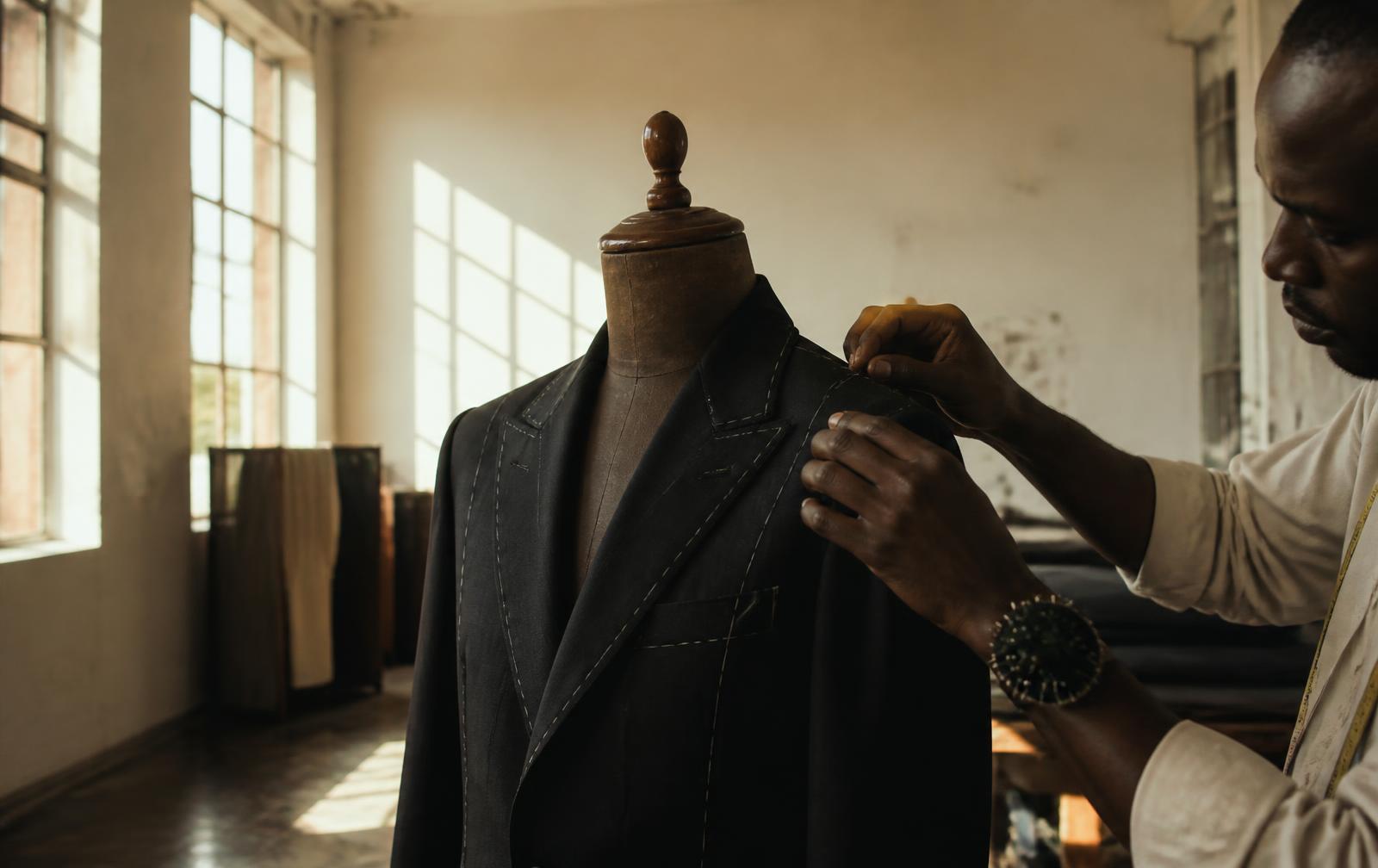
A tailor's hands shaping the shoulder of a black wool suit on a wooden mannequin in a sunlit atelier
Editorial photography commissioned by JAANTE — atelier and material study, not a press portrait.

Born in Kinshasa and self-taught, Alvin Junior Mak left the Congo at eleven and built his practice in Paris under the name JmakxParis. His work belongs to a lineage that Kinshasa knows intimately: the suit as a language, cut as a statement of self.

For the 2026 World Cup — the Democratic Republic of Congo's first in more than fifty years — he dressed the twenty-six players of the national team in the “Dark Moniama” wardrobe: black tailored suits, a silver leopard brooch at the lapel, a star-shaped bag. The images of the squad arriving in Houston travelled the world before a single match was played. He had already signed the team's wardrobe for AFCON 2025.

What interests us is not the spectacle but the method. A national wardrobe is a piece of soft power: it decides, in one silhouette, how a country is read. Mak answers with restraint — black wool, a single emblem, a recognisable line — and lets the wearer carry the rest. It is the elegance of the Sape, disciplined into contemporary tailoring.

A national wardrobe decides, in one silhouette, how a country is read.

Read elsewhere · GQ France · BBC Afrique
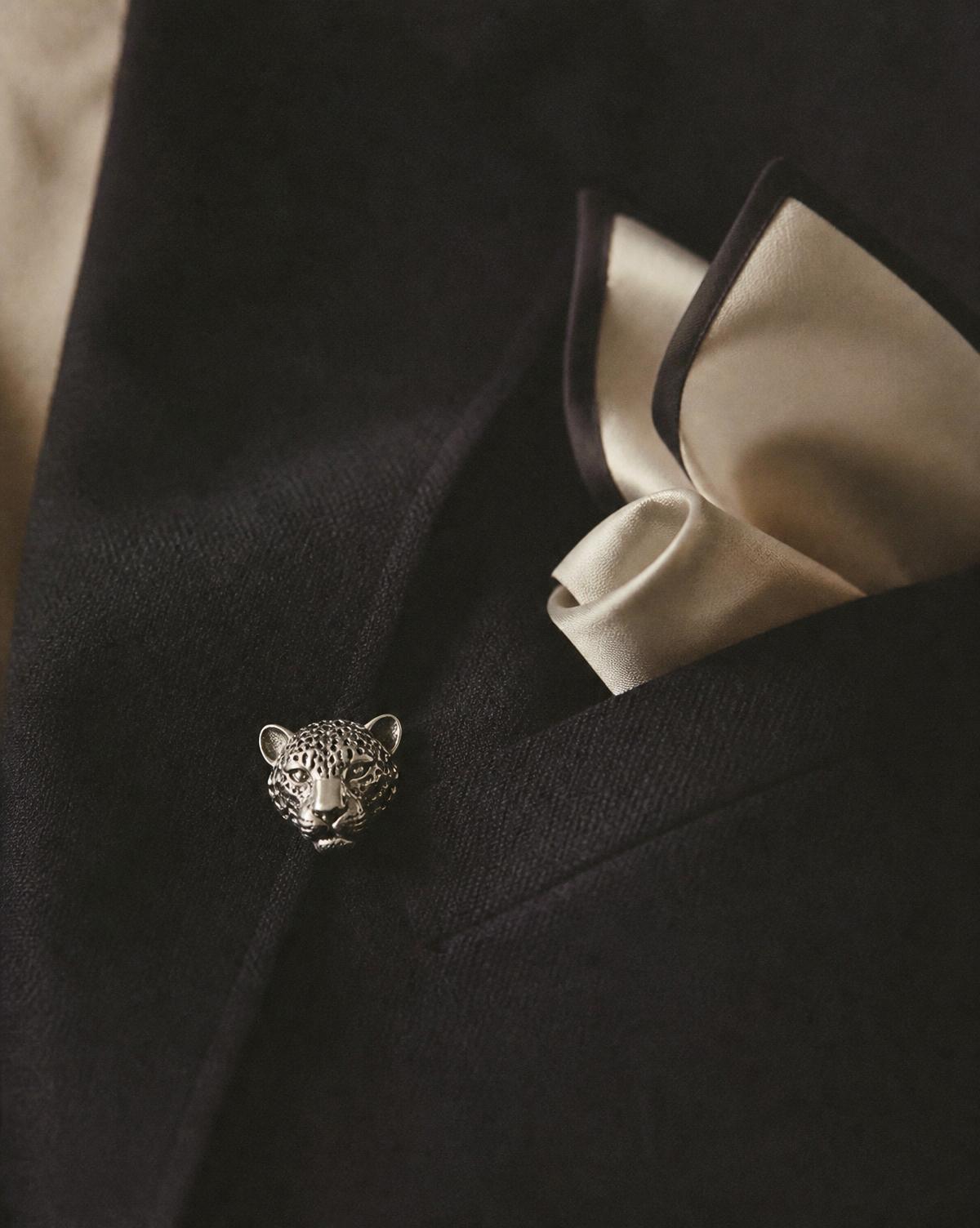
A silver leopard brooch on the lapel of a black wool jacket with an ivory silk pocket square

02 — Nigeria

Designer / Founder

Amaka Osakwe

Adire, hand-dyed, as a contemporary language.

Nigeria · Womenswear · Textile · Maki Oh · Lagos

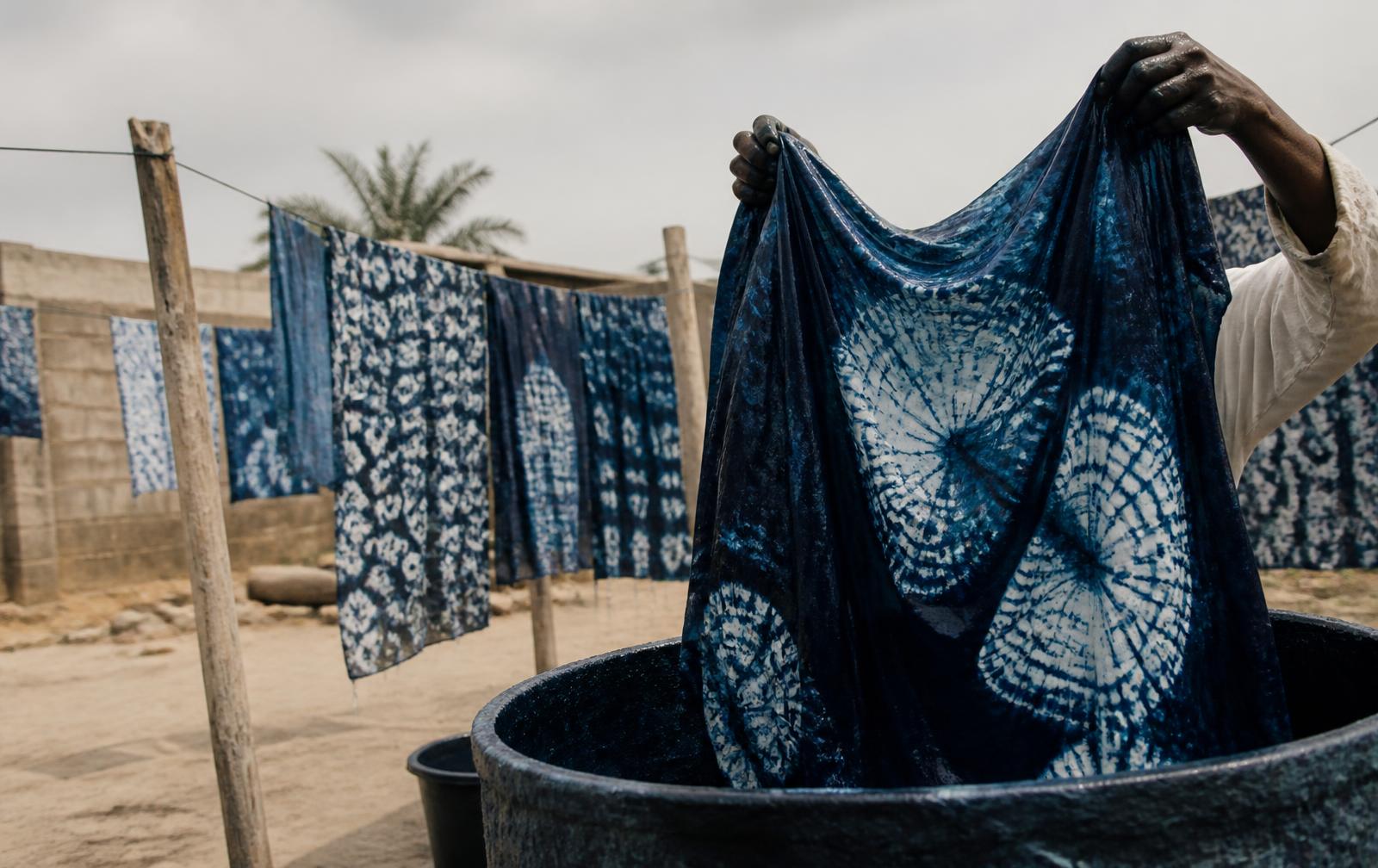
Hands lifting freshly indigo-dyed adire cloth from a dye vat in a Lagos dye yard, patterned cloth drying behind
Editorial photography commissioned by JAANTE — Lagos dye yard and studio, not a press portrait.

Amaka Osakwe founded Maki Oh in Lagos and made adire — the Yoruba resist-dye tradition — the grammar of a contemporary wardrobe. The cloth is dyed by hand; the pattern is never twice the same; the garment is cut so the textile, not the silhouette, does the talking.

Her collections read as arguments about womanhood: intimacy, restraint, provocation held just below the surface. She has shown internationally and dressed a global audience without ever detaching the work from the dye yards and hands that make it possible.

Placed next to Kinshasa, Lagos gives the page its second voice. Two countries, two disciplines, two relationships to material and to the international stage. Not one African aesthetic — countless creative languages, each on its own terms.

Africa does not have one aesthetic. It has countless creative languages.

Read elsewhere · Maki Oh

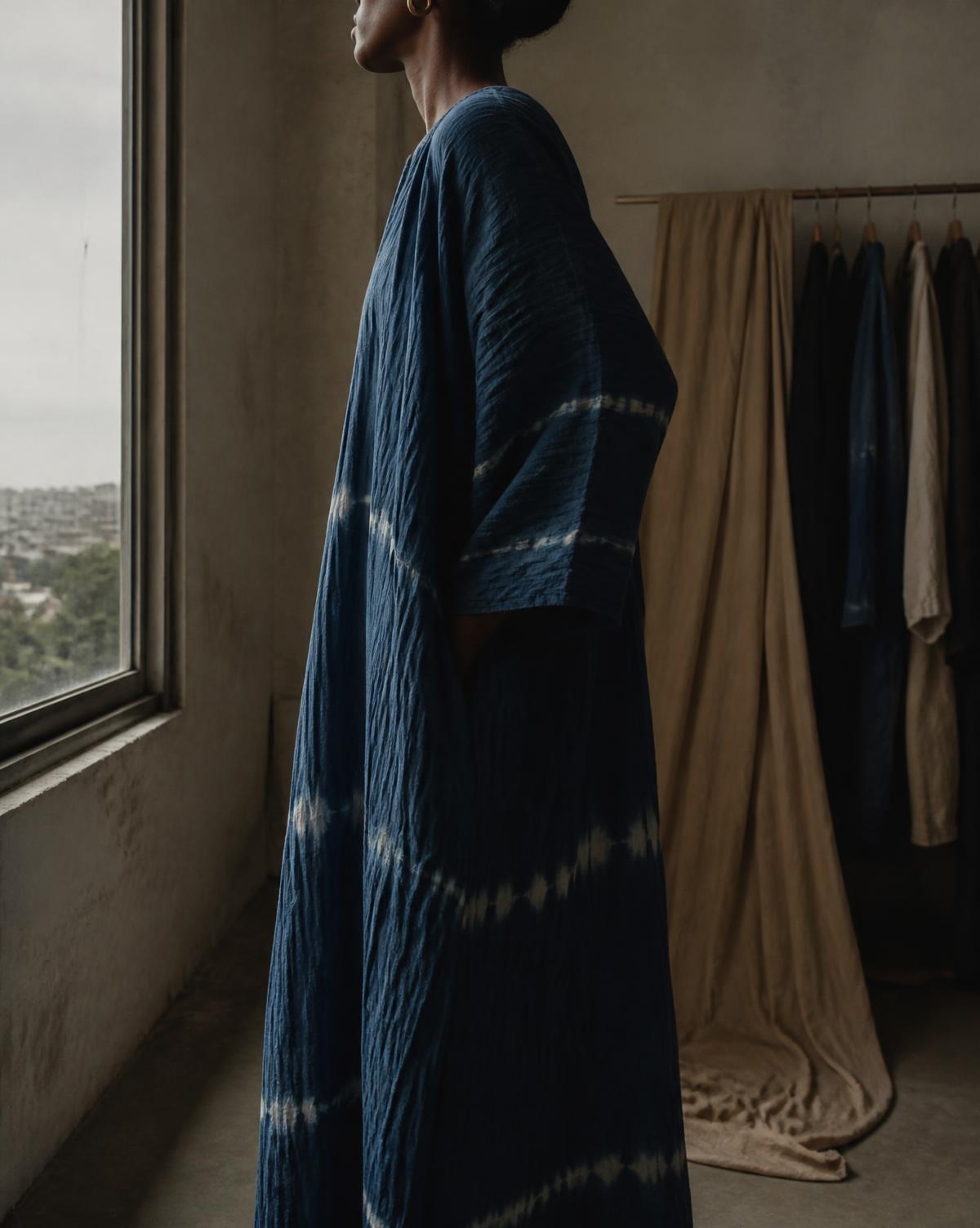
A woman in an indigo hand-dyed dress in profile by a studio window, a rail of garments behind her
Atelier at golden hour

Two creative voices. Two countries. One continent of extraordinary creativity.

Discover

Discover more creators

The selection is being assembled.

Materials

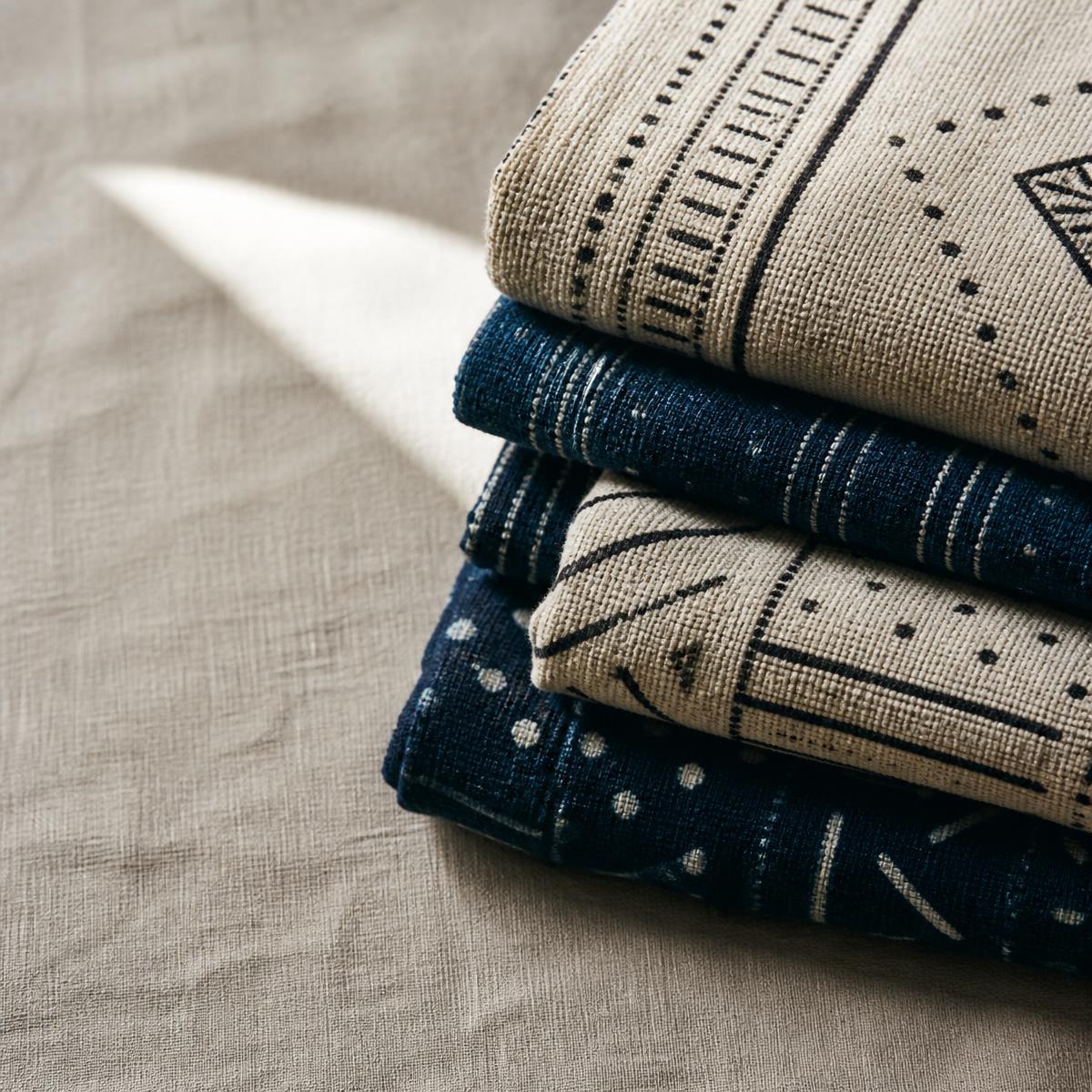
Stack of hand-woven and indigo-dyed textiles
Hand-woven cotton, natural indigo dye.
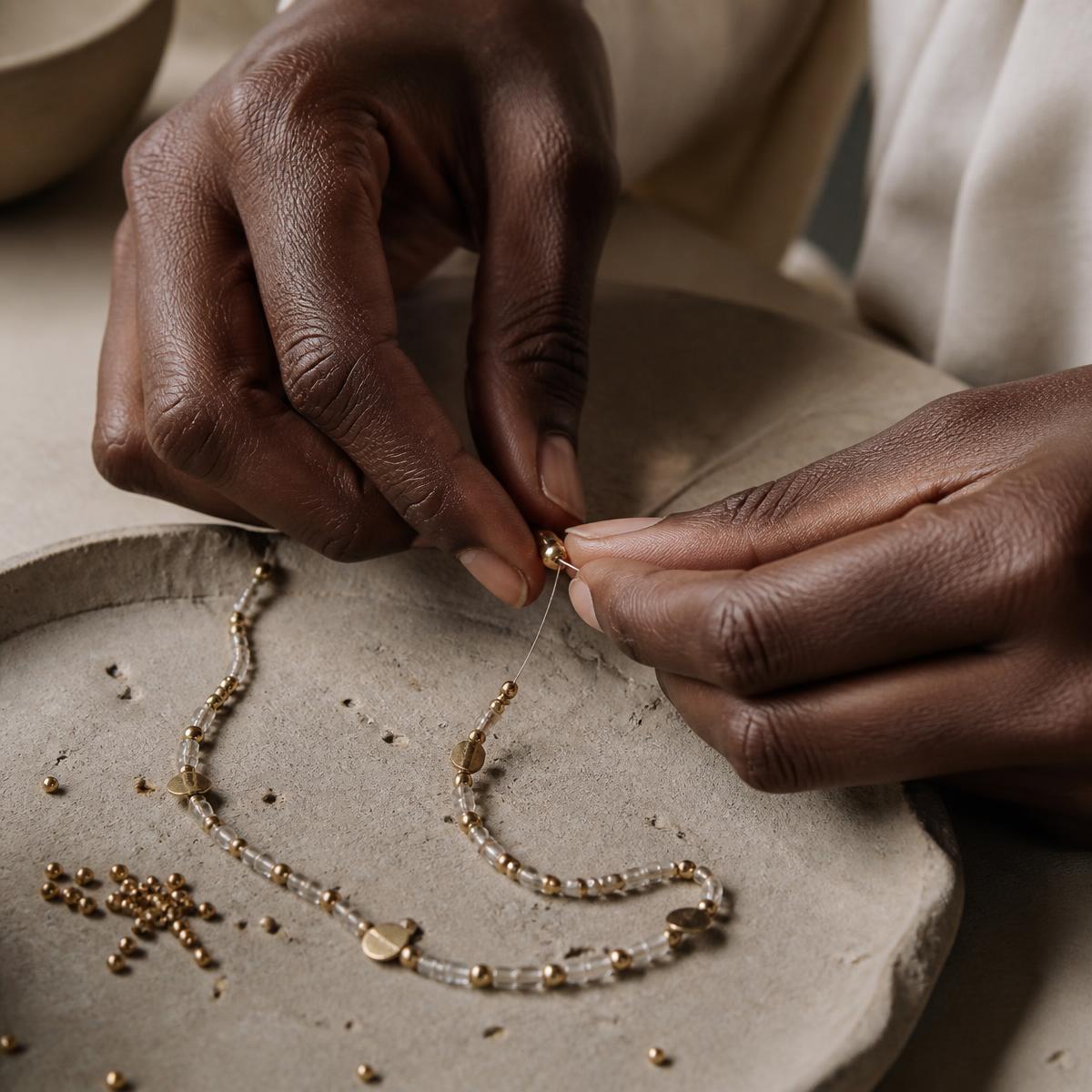
Hands threading glass beads and brass on an unglazed clay dish
Beadwork and brass, assembled by hand.
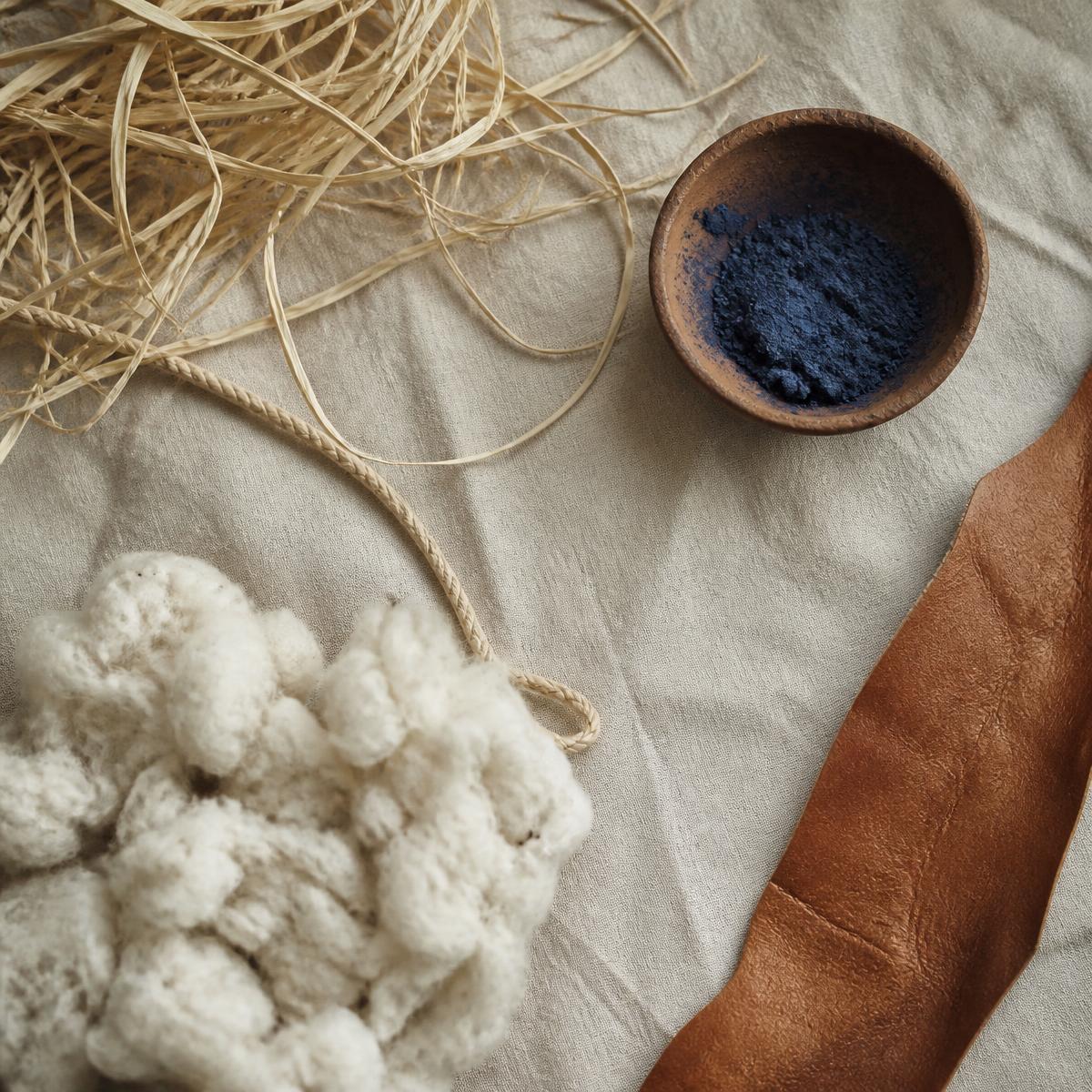
Raffia, raw cotton, indigo pigment and vegetable-tanned leather on linen
Raffia, raw cotton, pigment, vegetable-tanned leather.